Home › Carrying › Antenatal appointments
CarryingYour antenatal appointments, step by step
From the booking appointment to 41 weeks, here's what each appointment and scan is for, what you'll be offered, and what's your choice. It's a lot to keep track of, so there's a version to print and stick on the fridge.


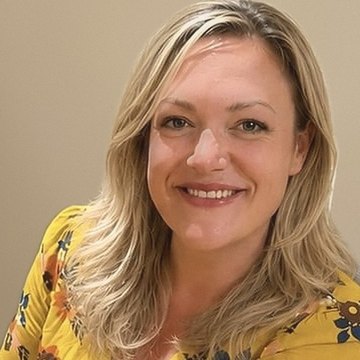
By Chloe Birt, Registered Midwife
Reviewed October 2026
Appointment by appointment
Each appointment, and what happens. Tap any box to read more, or print it to keep.
The booking appointment, 8 to 12 weeks
Usually your first appointment with a midwife, and one of the longest: the NHS says it can take around an hour.
- Questions about your health, any previous pregnancies, and your family's health.
- Your blood pressure, a urine test, and blood tests, including your blood group.
- Screening tests for infectious diseases (HIV, syphilis and hepatitis B), and for sickle cell and thalassaemia, ideally before 10 weeks.
- Information about your screening choices, and about where you might give birth.
It's a good moment to mention anything that's worrying you, including how you're feeling in yourself.
You can contact your maternity service at any time if you're worried about you or your baby. Is this urgent? has the full list.
The two scans
- 11 to 14 weeks
- The dating scan checks when your baby is due and how they're developing, and whether there's more than one. If you choose, screening for Down's, Edwards' and Patau's syndromes can be done at the same time. If you miss that window, a different blood test can be offered up to 20 weeks.
- 18 to 21 weeks
- The 20-week scan looks at how your baby is developing, and screens for 11 health conditions.
Screening is your choice. You can have all of it, some or none, and change your mind, though some tests only work at certain weeks. The BRAIN questions can help you decide.
16 weeks
A shorter appointment. Your midwife talks through any screening results, checks your blood pressure and urine, and answers your questions.
From 16 weeks you can have the whooping cough vaccine. It's usually given at around 20 weeks, and ideally before 32 weeks, to help protect your baby in their first weeks.
24 to 28 weeks: a glucose test, if offered
If you're at higher risk of gestational diabetes, you'll be offered a test for it around now. Ask your midwife if you're not sure whether it applies to you.
25 and 31 weeks: first babies
If this is your first baby, you'll have two extra appointments. Your midwife measures your bump to check your baby's growth, asks about their movements and how you're feeling, and at 31 weeks talks about getting ready for labour.
28 weeks
- Blood tests to check your iron levels and your blood group again.
- If your blood group is rhesus negative, you'll be offered an anti-D injection.
- The RSV vaccine, offered around now to protect your baby from a common chest infection. You can have it any time up until labour.
- Your bump measured, and your blood pressure and urine checked.
In autumn and winter, you'll also be offered the flu vaccine.
34 to 38 weeks
- 34 weeks
- Getting ready for the birth: your preferences, and how to know when you're in labour.
- 36 weeks
- Your midwife feels your bump to check your baby's position. If your baby is bottom first (breech), you'll talk through your options, which may include trying to turn your baby, called an ECV.
- 38 weeks
- Your choices if you're still pregnant after 40 weeks.
Every appointment includes your blood pressure, a urine test, your bump, your baby's movements and how you're feeling. It's also time to pack: my hospital bag checklist suggests having it ready by 37 weeks.
40 and 41 weeks
At 40 weeks (for a first baby) and 41 weeks, you'll talk through your choices if labour hasn't started, including a membrane sweep and induction. My guides to a membrane sweep and induction of labour go through them step by step.
My top tips
What I tell the families I look after
- Take your notes to every appointment, or have the app open, and keep a list of questions on your phone as they come to you.
- Before any test, it's fine to ask what the result would change. The BRAIN questions are there for exactly this.
- Ask your unit whether you can bring someone to your scans, and whether you can have a picture.
- Wear something that makes it easy to get to your tummy and your arm.
- Tell your midwife how you're feeling, not just how the baby is. Your mood is on the list at every appointment for a reason.
- If an appointment doesn't turn up when it should, ring and ask. It's easy for one to slip through.
- Have a glass of water before you set off. You'll almost always be asked for a wee sample, and it's much easier on demand.
Chloe
Questions about antenatal appointments
How many appointments will I have?
Do I have to have the screening tests?
When should I have the whooping cough vaccine?
What is the RSV vaccine?
What if my baby is breech at 36 weeks?
Can I ring between appointments?
A pregnancy session
At home around Huntingdon or online wherever you are: unhurried time to talk through your appointments, your results and your choices, with a midwife who knows your story.
Chloe
Printed from lunarmidwife.co.uk/antenatal-appointments. General information, not personal medical advice: always check with your own midwife or doctor.
Sources
- NHS. Your antenatal appointments. NHS website, reviewed April 2026.
- NHS. Screening tests in pregnancy. NHS website, reviewed March 2026.
- NHS. Vaccinations in pregnancy. NHS website.
- NHS. If your baby is breech. NHS website, reviewed November 2023.
- NHS. Pre-eclampsia. NHS website.
- National Institute for Health and Care Excellence. Antenatal care (NG201). Published August 2021.